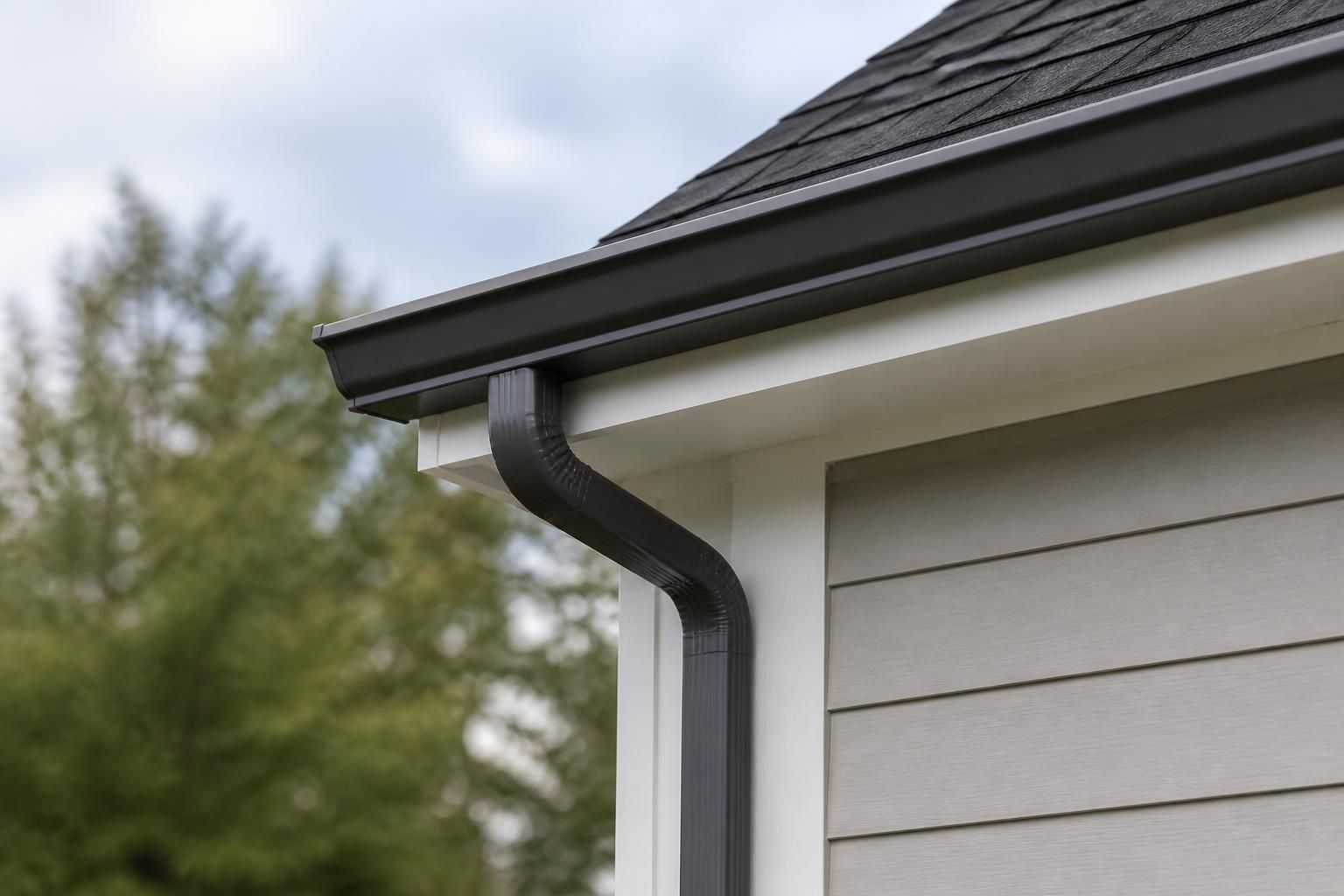
If water is spilling over the edge of your roofline, pooling near the foundation, or leaving streaks on siding, the gutter system is not doing its job. A sagging run, loose seam, or missing section can turn a small rainfall into a bigger headache for your home.
North Shield Exterior helps Menahga homeowners with gutter installation that supports the roofline, directs runoff away from the house, and matches the exterior with a clean, finished look. If you are replacing old gutters or adding them to a home that never had a full system, we can walk you through the next step and keep the process straightforward.
Gutters usually give a few clear signs before they stop working well. Homeowners often notice the problem after a storm, during a heavy melt, or when they see water marks where they should not be. A new gutter system can solve more than one issue at once, especially when the old setup is cracked, undersized, or pulling away from the fascia.
If these problems keep showing up, it may be time to replace the system instead of patching it again. We can look at the roofline, the current drainage path, and the condition of the mounting points before recommending a plan.
Gutter installation works best when it starts with a careful look at the home as a whole. Roof edge shape, downspout placement, fascia condition, and drainage direction all matter. A system that looks fine from the ground can still send water to the wrong place if it is not sized and routed with care.
We start by checking the perimeter that will carry runoff. That helps us identify where water concentrates, where corners need extra attention, and where the system will need support.
Gutters need a steady slope so water moves toward the downspouts without sitting in low spots. If the pitch is off, debris and standing water can build up faster.
Downspouts matter just as much as the gutter run. Good placement helps move water away from areas that can collect runoff near the home.
The right gutter setup depends on the size of the roof, the shape of the home, and how much runoff the roofline sends toward each side. A system that is too small can overflow more easily. A layout with poor corner planning can create weak points where leaks are more likely.
We help homeowners think through the practical side of the job, including:
Choosing a size that fits the roof’s runoff load helps the system handle rain without constant overflow.
Longer runs may need careful support and slope to keep water moving toward the outlet.
More corners can mean more places where water slows down or collects debris.
Downspout locations should support drainage away from the home, not just shorten the run.
North Shield Exterior helps Menahga homeowners choose a layout that makes sense for the roof and the rest of the exterior, not just for appearance.
Some gutter issues are easy to spot from the ground, while others show up on the siding, trim, or around the foundation. If you are seeing repeated water marks or clean-up after every storm, the gutter system may need to be reworked instead of patched again.
Overflow, drip lines, and loose fasteners can show that the system is not catching or carrying water the way it should.
Stains, splashes, and wear near the lower walls can point to runoff that is escaping the intended path.
Soft ground, washed-out mulch, or standing water near the home can signal that downspouts are not moving water far enough away.
When runoff keeps landing where it should not, the issue is usually more than cosmetic. The right installation helps reduce repeated cleanup and protects the exterior from unnecessary wear.
Many Menahga homeowners are not just looking for new gutters. They want a system that fits the home, looks clean from the street, and is easier to live with after every storm. We often help with projects where the old gutters were bent, undersized, or never matched the roofline well.
During gutter installation, homeowners usually want a few practical results:
If the home is also getting roofing or siding work, it can make sense to review the gutter plan at the same time so the exterior functions as one system.
A smooth gutter project begins with a clear look at the home and the current setup. That helps avoid surprises once the old materials come off. If fascia has damage, if the roof edge needs attention, or if the drainage path needs to change, it is better to know before installation begins.
North Shield Exterior keeps the process practical for Menahga homeowners. We answer questions, explain what the layout needs, and help you understand how the new gutters will fit the home’s exterior. If your roof replacement or siding project is already underway, we can coordinate the gutter work so the finished result feels complete rather than pieced together.
Gutters are easy to overlook until they stop doing their job. Once runoff starts landing where it should not, the signs show up fast on the roof edge, siding, and ground around the house. A well-planned gutter installation can help prevent repeated water problems and keep the exterior looking clean.
If you are ready to update the gutter system on your Menahga home, North Shield Exterior can help you take the next step with clear recommendations and a straightforward installation plan.
Common signs include sagging runs, leaks at seams, overflow during rainfall, and water marks on fascia or siding. If the system keeps causing the same problems, replacement may make more sense than another repair.
Yes. Many homes can benefit from a new gutter system, especially when roof runoff is reaching siding, walkways, or areas near the foundation.
Downspouts are a key part of drainage. Their placement helps determine where water ends up after it leaves the gutter run.
A good layout follows the roofline, allows steady slope, and places outlets where runoff can move away from the home without backing up.
Often, yes. If you are also planning roof or siding work, it can be helpful to look at the gutter system at the same time so the exterior components line up well.
That depends on the material, installation quality, and exposure to weather and debris. Regular wear, loose sections, or recurring overflow are signs it may need repair or replacement.

Start Your Project
Share what you are seeing on your roof or exterior, and we will help you understand the next step, whether that is an inspection, repair, replacement, or support with an insurance claim.